


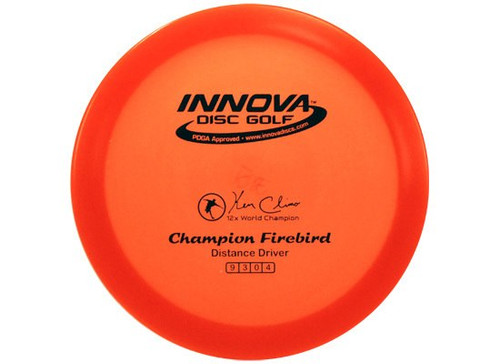


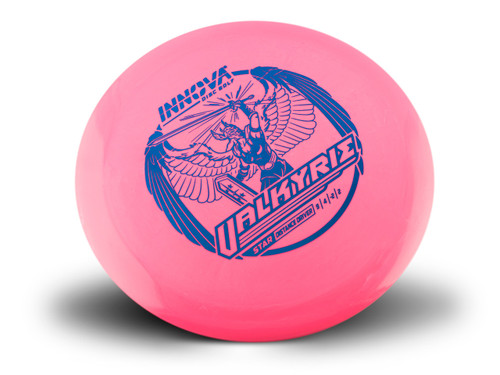

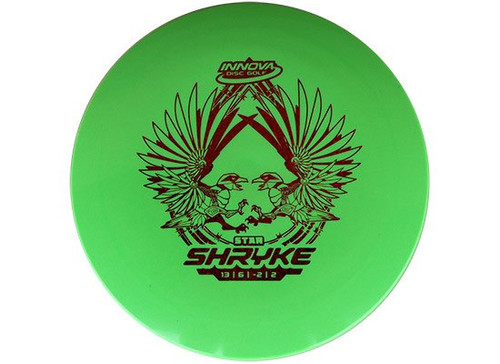


Welcome to Everything Disc Golf
Your Friendly Discount Disc Golf Shop Online
Hey there, disc golfers! Whether you’re brand new to the sport or already obsessed with chasing birdies and hitting chains, we’re stoked you found us.
Everything Disc Golf is your go-to online store for all things disc golf—without the high prices. We’re talkin’ about top-brand discs, bags, baskets, accessories, and gear—all at discount prices. This isn’t one of those fancy-pants golf shops where everything costs a fortune. Nope. We’re built for players who just wanna get out and throw.
We’re not some giant corporation that doesn’t even play the sport. We’re real disc golfers. We love it. We live it. We lose our fair share of discs in the woods, too.
So if you’re looking for a cheap disc golf shop online that actually knows what an overstable fairway driver does (and why your midrange keeps flipping), you’re in the right spot.
Why Shop With Us?
1. We’re All About the Discounts
You love disc golf. But discs can get expensive fast. We’re not into that. We offer discounted disc golf discs every day. You’ll find deals on putters, drivers, and midranges—plus bundles and used discs that save you even more.
2. Fast Shipping From the U.S.
You don’t want to wait forever to throw your new plastic. We get it. We ship FAST from the U.S. and don’t tack on weird fees or make you wait 3 weeks like some other sites.
3. Huge Selection of Brands & Plastics
We carry all the good stuff—Innova, Discraft, MVP, Axiom, Dynamic Discs, Latitude 64, Prodigy, Kastaplast, Mint Discs, Infinite, RPM, and more.
4. Honest Vibes, No Gimmicks
We don’t upsell. We don’t sugarcoat. If a disc is super flippy or beefy as heck, we’ll tell you. We’re disc nerds, but we’re also your disc golf friends.
New to Disc Golf? We Got You.
Hey, welcome to the best sport ever. Seriously. It’s affordable, social, outdoorsy, and fun for everyone. At Everything Disc Golf, we make it easy to start without blowing your budget.
Here’s what we recommend for beginners:
- A starter pack with 3 discs: 1 putter, 1 midrange, and 1 fairway driver
- A lightweight disc golf bag (you don’t need a spaceship on your back)
- Some good shoes and maybe a towel. That’s it!
What You’ll Find at EverythingDiscGolf.com
Discs, Discs, and More Discs
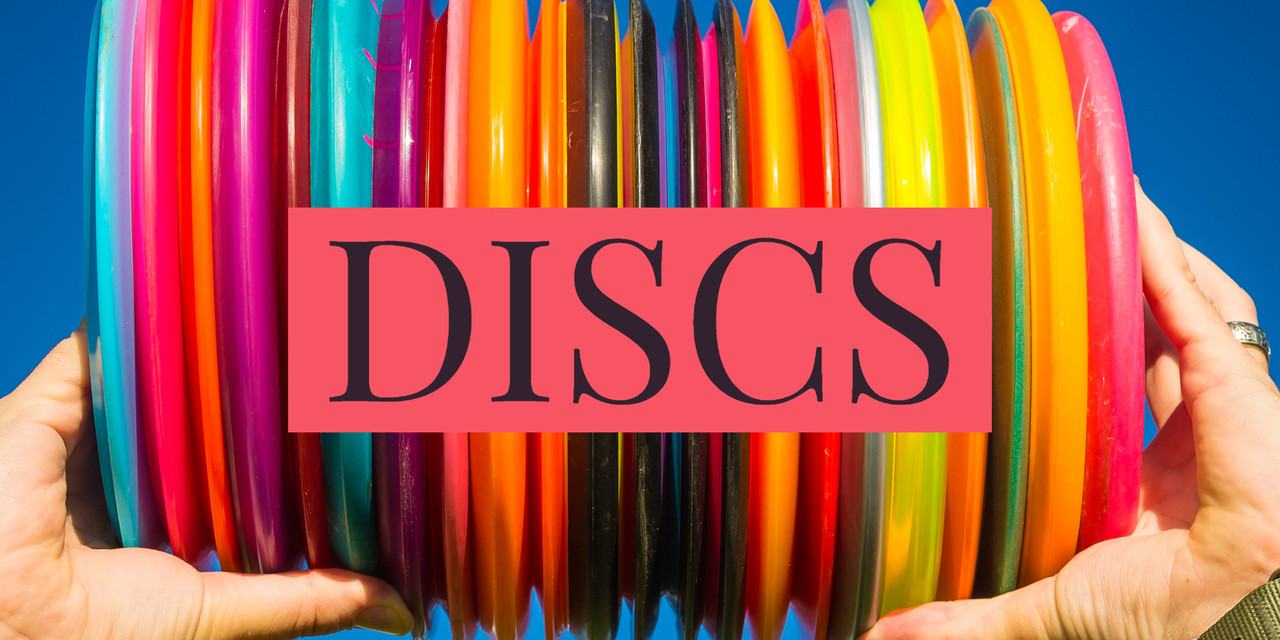
We carry thousands of discs in all styles:
- Putters (for those sweet chain hits)
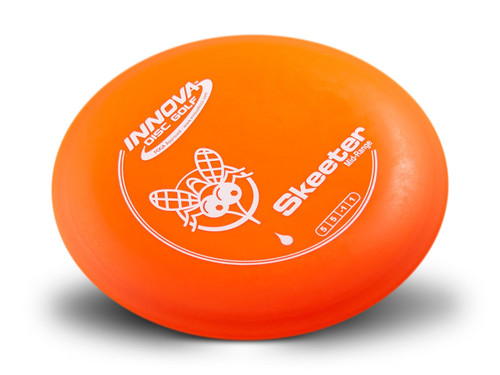
- Midranges (control is king)
- Fairway Drivers (your best friend off the tee)
- Distance Drivers (go big or go home)
Want cheap discs online that still perform? Yep, they’re here.
Apparel & Accessories
Hats, shirts, minis, towels, retrievers, markers, scorecards, grip bags—you name it.
Bags & Carts
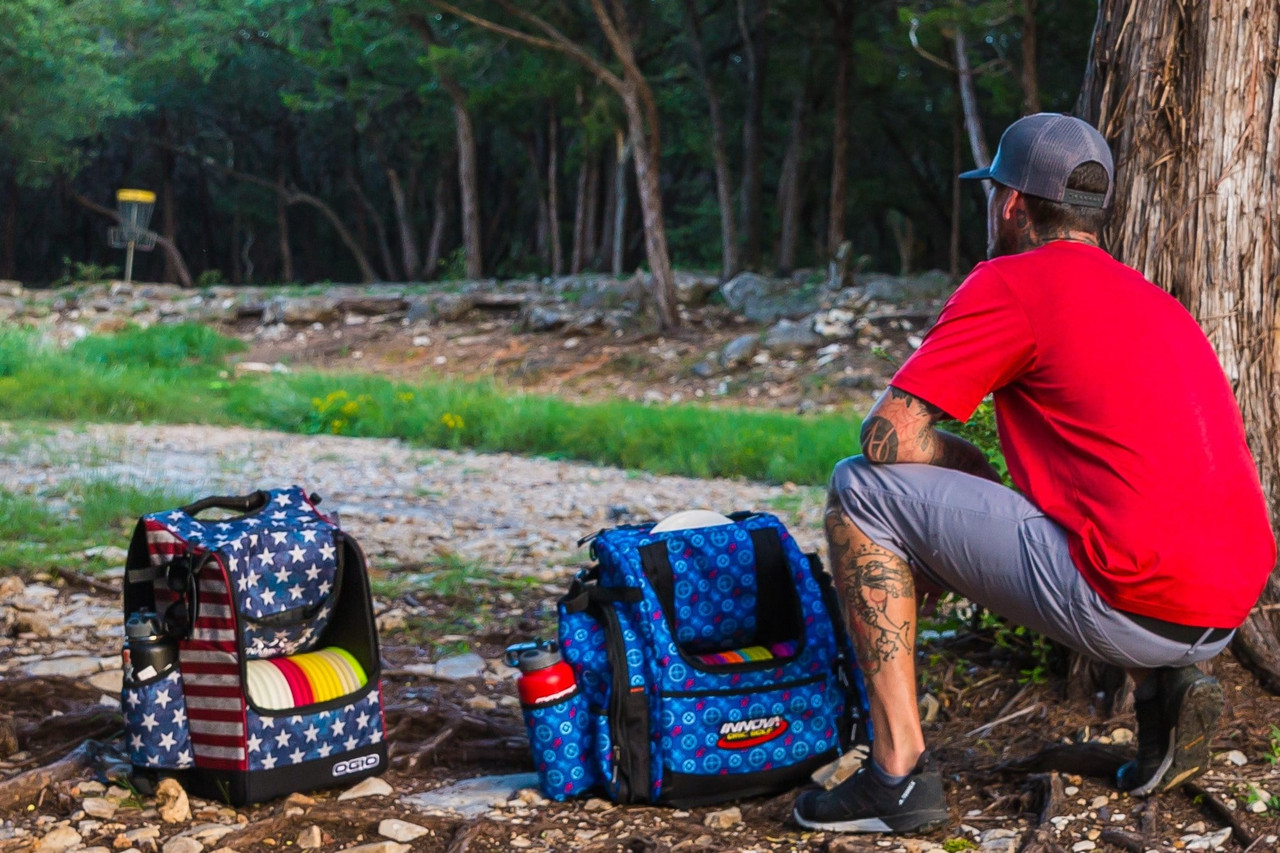
From small shoulder bags to full-on backpack rigs, we’ve got gear to carry your stuff. Even carts if you’re feelin’ fancy.
Gift Ideas
Shopping for someone else? We’ve got gift cards, starter kits, and holiday bundles for the disc golf lover in your life.
Cheap Discs That Don’t Suck
Let’s talk about cheap discs for a second. Some folks think if a disc is inexpensive, it must be junk. Not true.
You can get some serious gems in our discounted section—perfect for field work, practice rounds, or backups.
Play More, Pay Less
We started Everything Disc Golf because we believe everyone should be able to play without spending a fortune. It’s not about flexing your $25 collectors. It’s about getting out there with your friends, hitting that one perfect shot, and having fun.
So yeah, we’re proud to be the discount disc golf shop online that still knows how to have a good time.
We’re Here for the Disc Golf Community
Follow us on Instagram and Facebook for new arrivals, giveaways, and terrible disc golf puns. Got questions? Hit us up. We’re friendly. And probably online right now nerding out about some mold.
Quick Links
Join Our Email Club
Want early access to deals, secret drops, and exclusive coupon codes?
Sign up & Get 10% OffThanks for Checking Us Out
You made it to the bottom? You must really love disc golf—or SEO. Either way, thanks for hanging out. At Everything Disc Golf, we’re just here to help you throw farther, putt better, and not go broke doing it.
See you on the fairway.